A practical cocoa fermentation data sheet guide for recording lot intake, mucilage behavior, turning, temperature, pH, cut-test results, and enzyme process variables.
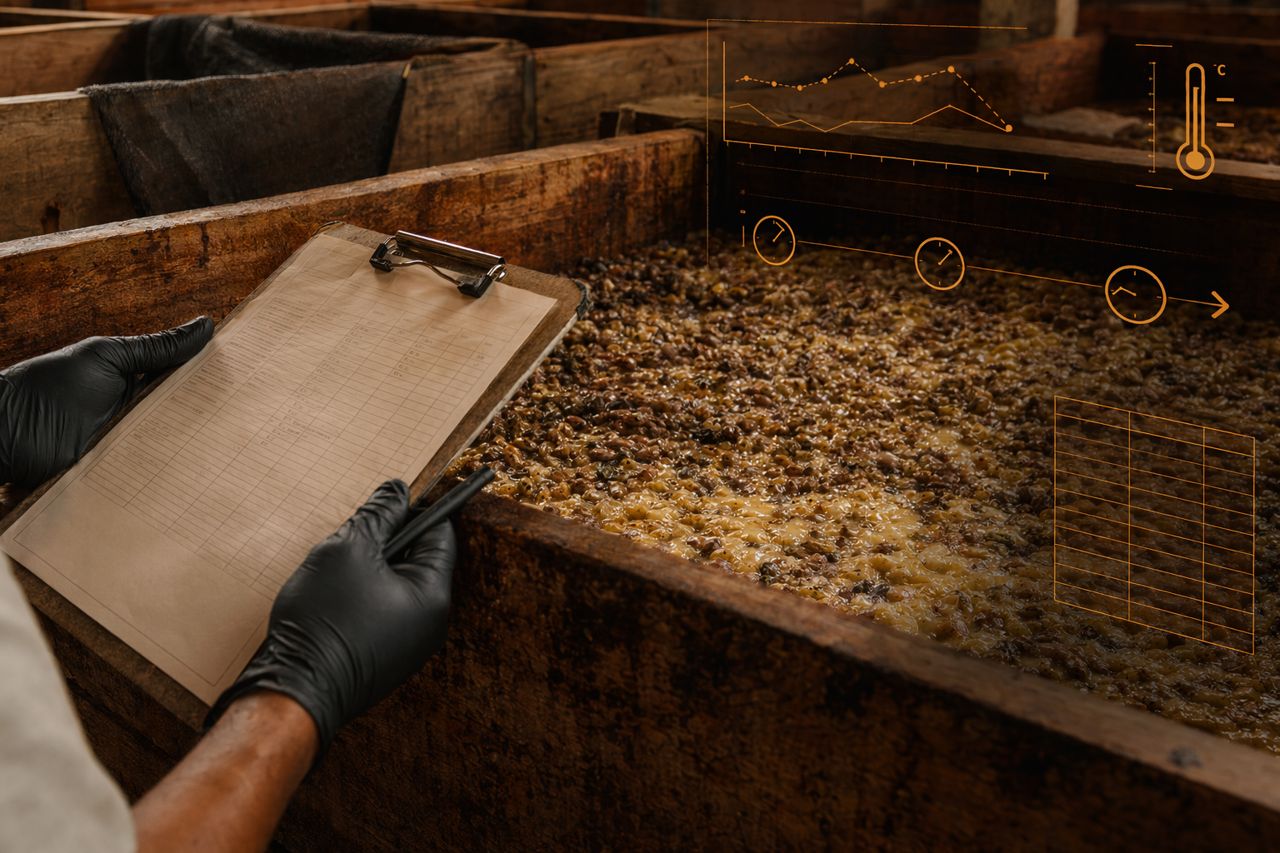
Request pricingGood cocoa fermentation is tactile work: smell, heat, drainage, bean color, and the judgement of a fermentation manager who knows when a box is moving correctly. But tactile work becomes scalable only when the plant captures the same facts every lot.
A well-built fermentation data sheet is not paperwork for its own sake. It is the operating memory of the factory. It helps teams compare boxes, validate turning decisions, manage mucilage breakdown, and understand why one lot developed clean flavor precursors while another drifted into inconsistency.
For factories working with process aids, Enzymesbase supports teams as an enzyme supplier for cocoa processing by helping connect application variables to fermentation outcomes that operators can actually control.
Cocoa fermentation has too many moving inputs to manage by memory alone: pod maturity, pulp load, harvest delay, box fill, ambient weather, bean mass temperature, turning timing, drainage, and microbial momentum.
A practical data sheet gives the plant three advantages:
The best data sheets are short enough to be completed on the plant floor, but structured enough to support technical review.
Start with traceability. If the lot cannot be reconstructed later, the rest of the record loses value.
Record:
The time between pod opening and box loading is especially important. Long delays can change microbial starting conditions before the fermentation box ever receives the beans.
A data sheet should identify the physical environment of the batch. Two lots in different boxes may behave differently even under the same recipe.
Record:
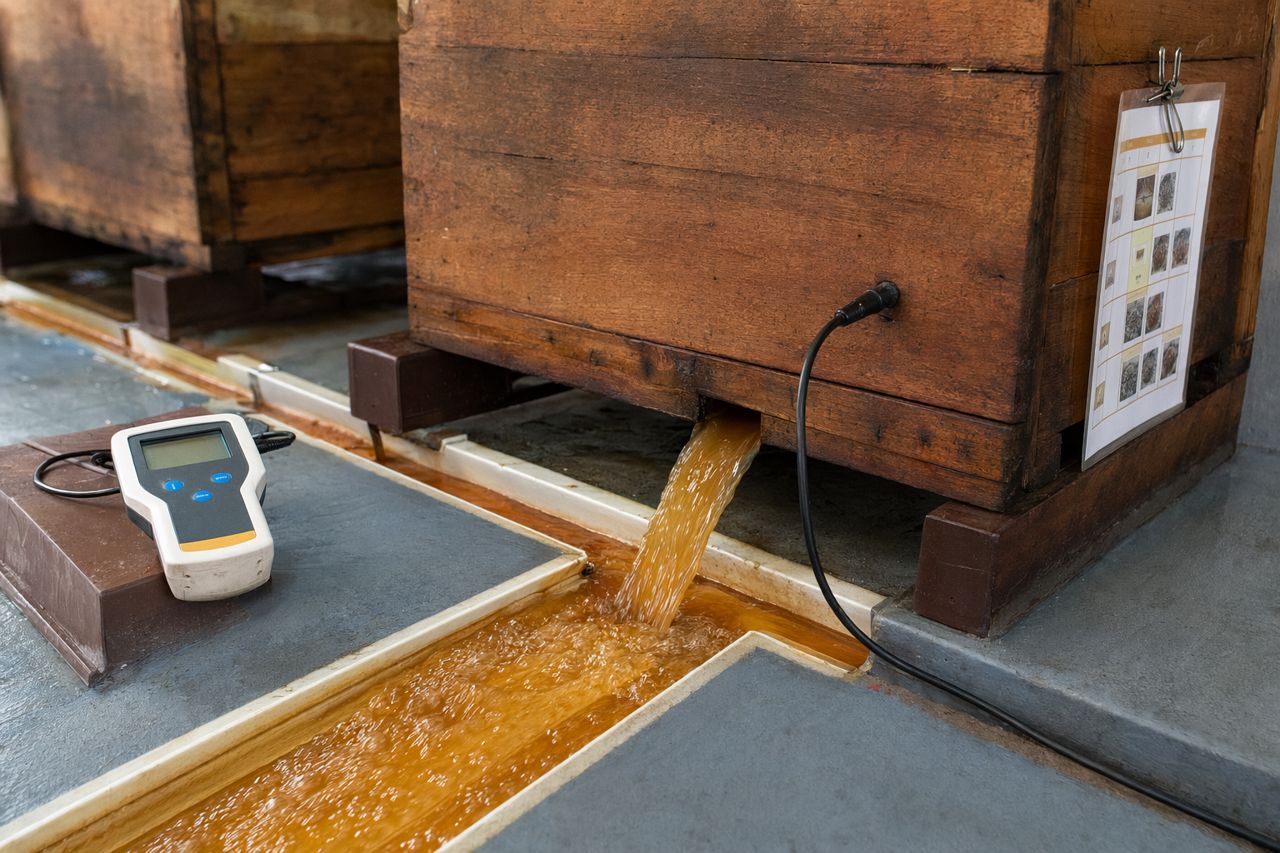
Where factories use wooden boxes, note any box with known heat loss, poor drainage, or inconsistent airflow. These are not minor details; they often explain repeat deviations.
When enzymes are used to support pulp and mucilage breakdown, the application record needs to be operational, not academic. The purpose is to confirm that the intended process was executed consistently.
Record:
As an enzyme supplier for cocoa processing, Enzymesbase recommends keeping enzyme records tied to observable fermentation behavior: drainage, heat rise, turn response, cut-test development, and liquor quality feedback. That connection is what makes the record useful to production teams.
Temperature is one of the clearest indicators of fermentation momentum. A single reading is useful; a curve is better.
Record temperature at consistent intervals and consistent positions:
Also record the exact time of each measurement. A temperature without a time stamp is difficult to interpret.
Practical review questions:
Factories should avoid overcomplicating the sheet. The goal is not to produce a laboratory report; it is to capture the thermal behavior needed to control the next batch.
pH readings help explain acid development and diffusion through the bean mass. Pair them with practical sensory observations from trained operators.
Record:
Sensory language should be standardized. If every operator uses different words, the data becomes difficult to compare. A simple approved vocabulary is better than long free-text descriptions.
Turning is not just a timestamp; it is a process intervention. Record both the action and the batch response.
Record:
This section is where many factories find hidden variation. Two teams may say they followed the same schedule, while the data sheet shows different turn timing, different mixing quality, and different post-turn heat response.
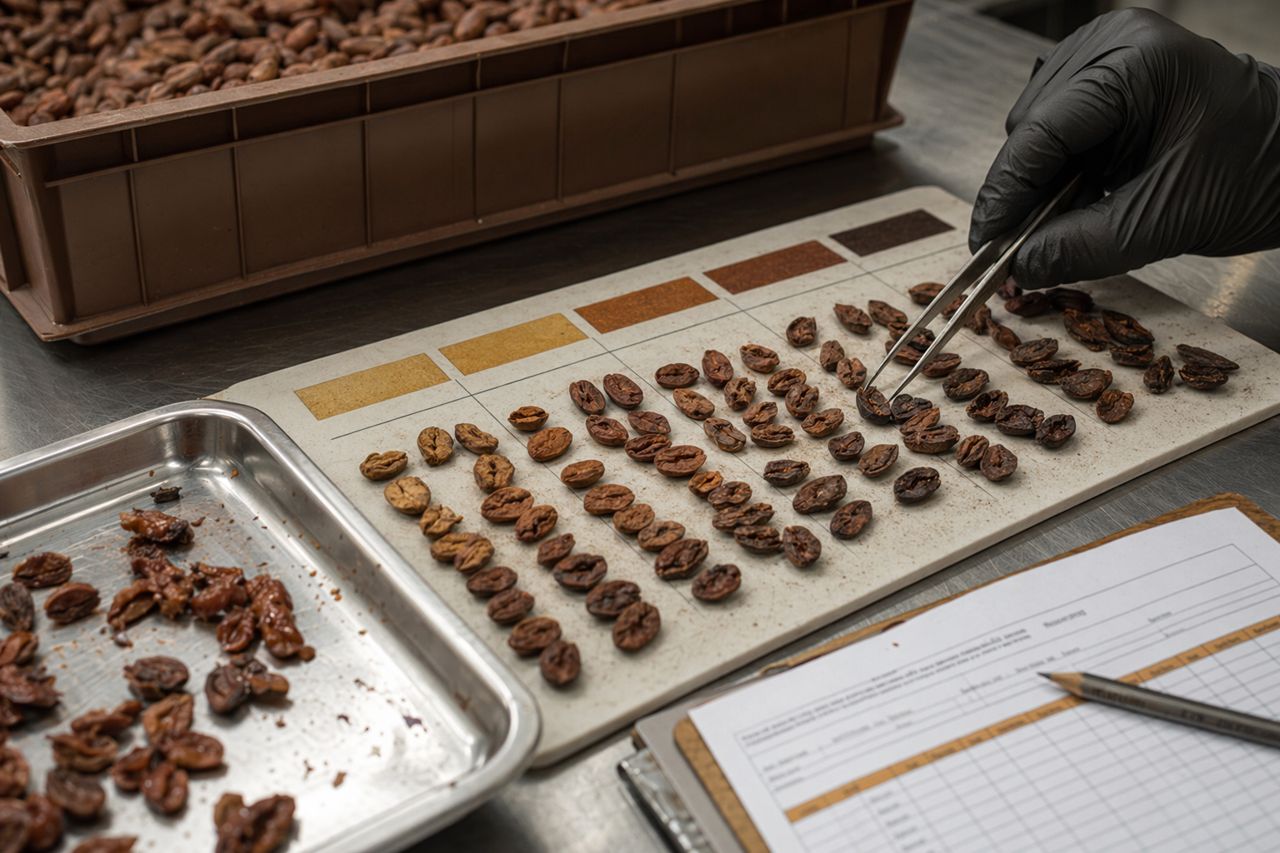
Cut-test scoring is most useful when it is consistent lot to lot. Avoid vague color descriptions with no standard.
Record:
For better repeatability, use the same light condition and the same scoring board whenever possible. A color result is process data only when the sampling method is stable.
Fermentation data becomes more valuable when it connects to later results. Add a follow-up section once drying, roasting, or liquor evaluation is complete.
Record:
This turns the fermentation sheet into a learning tool, not just a historical record.
Use a format operators can complete quickly:
Keep checkboxes for routine entries and leave short comment fields for exceptions. Long blank fields invite inconsistent writing; structured options improve comparability.
Final cut-test data matters, but it does not explain the path. If a batch finishes off-target, the plant needs to see when the deviation began.
“Good fermentation” is not enough. Pair judgement with evidence: heat rise, drainage condition, turn response, color change, and aroma category.
For enzyme-supported processes, the product name alone is not enough. The sheet should show where, when, and how it was applied.
A data sheet is part of the control system. If every shift modifies it, comparison becomes weak. Improve the form deliberately, then train everyone on the new version.
Data that is never reviewed becomes filing. Assign a weekly or lot-release review step so the record informs decisions.
Enzymesbase helps cocoa processors build enzyme-supported fermentation programs around plant-floor realities: wet bean variability, pulp load, drainage constraints, turning discipline, and quality targets.
Our technical discussions focus on practical outcomes:
If your factory is evaluating an enzyme supplier for cocoa processing, bring your current lot sheet, recent deviation examples, and target product profile. The fastest technical progress usually starts with the records you already have.
Planning a fermentation trial, updating your lot data sheet, or comparing enzyme-supported mucilage management options?
Request a quote through the on-site form and tell us about your cocoa origin mix, fermentation format, batch size range, and current control points. Enzymesbase will respond with a practical supply and process-fit discussion for your plant.
Tell us your application and volume — we reply with pricing and lead time.
We have received your message. We will reply by email.