Enzyme programs for cocoa pulp breakdown: less pulp cling, cleaner drainage and steadier fermentation mass. Wholesale and bulk supply by quote for processors, exporters and resellers.
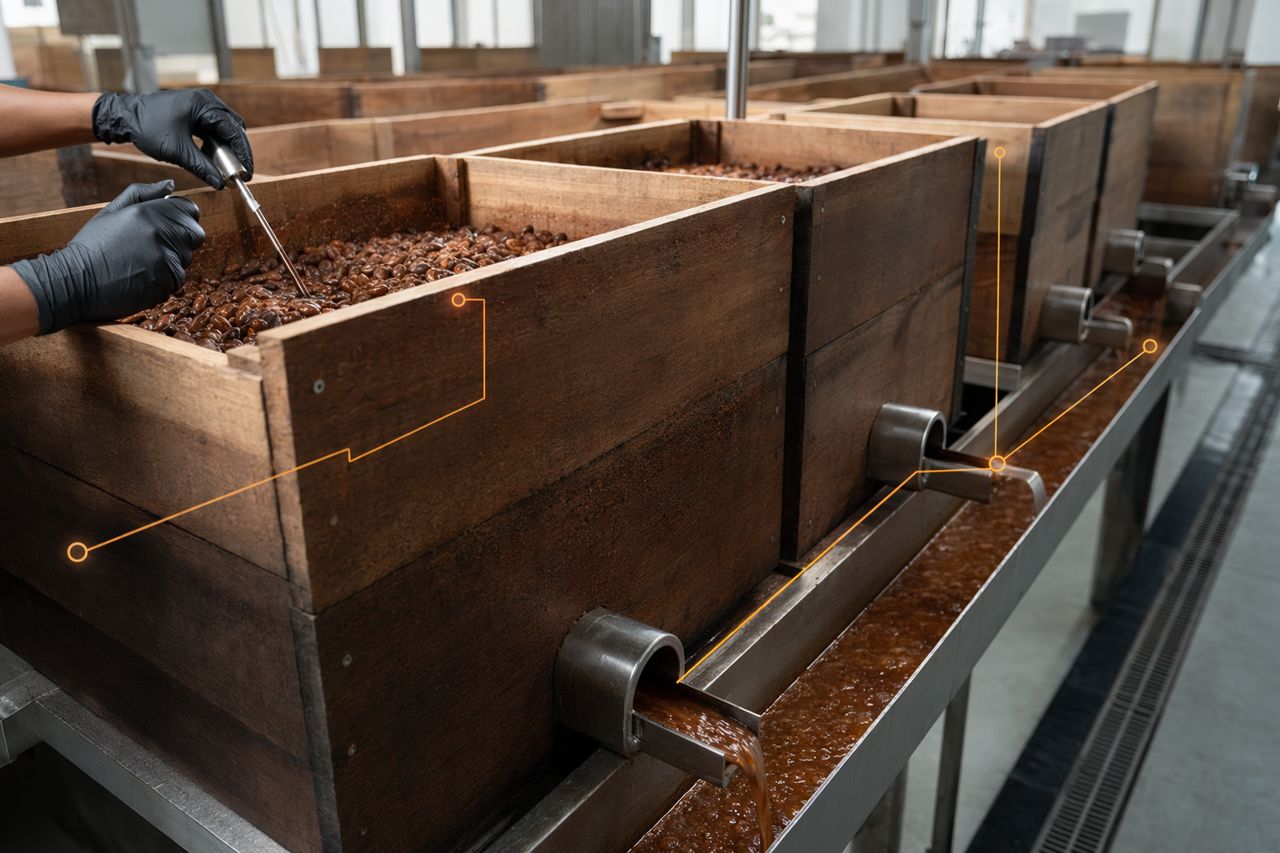
Request pricingEnzymesbase supports cocoa processors that need cleaner pulp breakdown, better liquid release, and more repeatable fermentation conditions without turning the process into a guessing exercise. As an enzyme supplier for cocoa processing, we focus on the practical control points that matter inside fermentation yards and factory receiving areas: mucilage behavior, drainage profile, heat build-up, turning response, and batch-to-batch consistency.
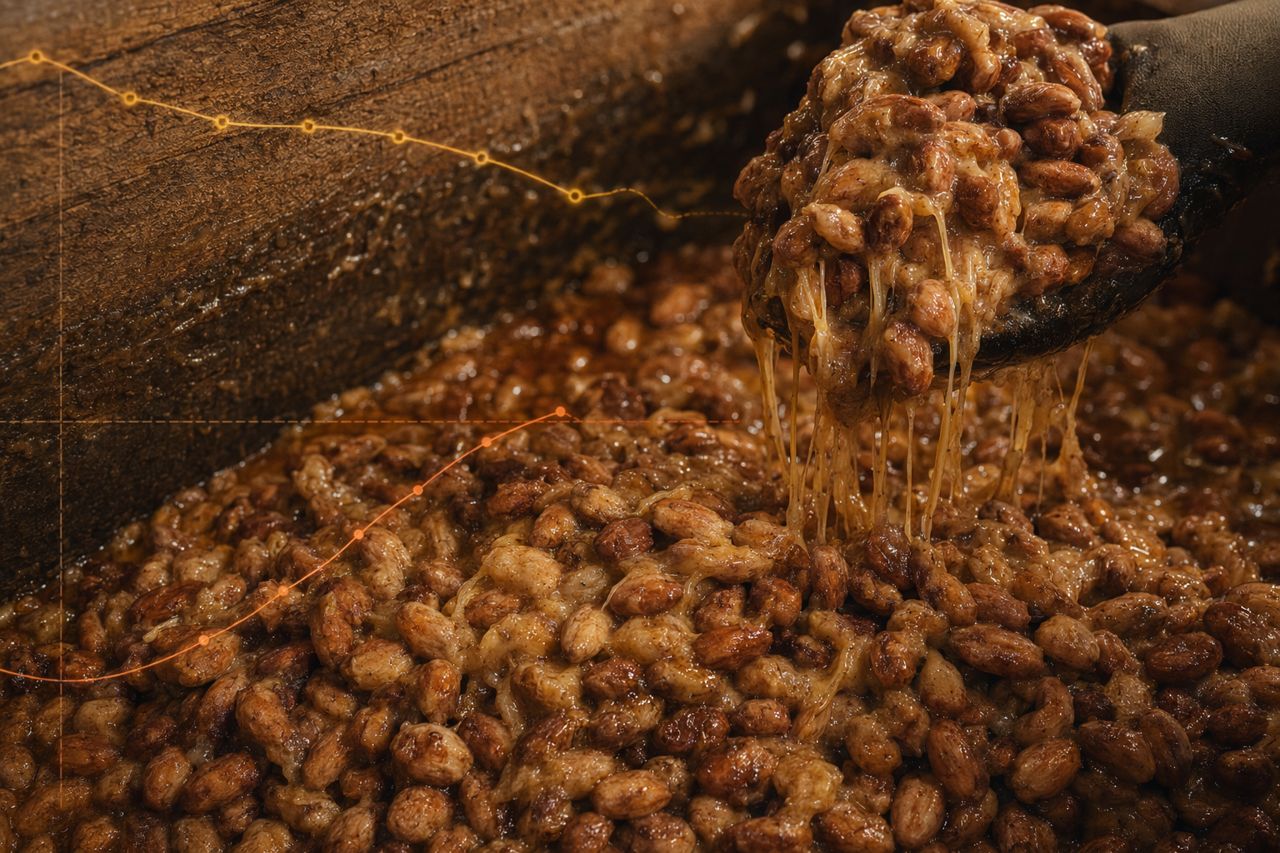
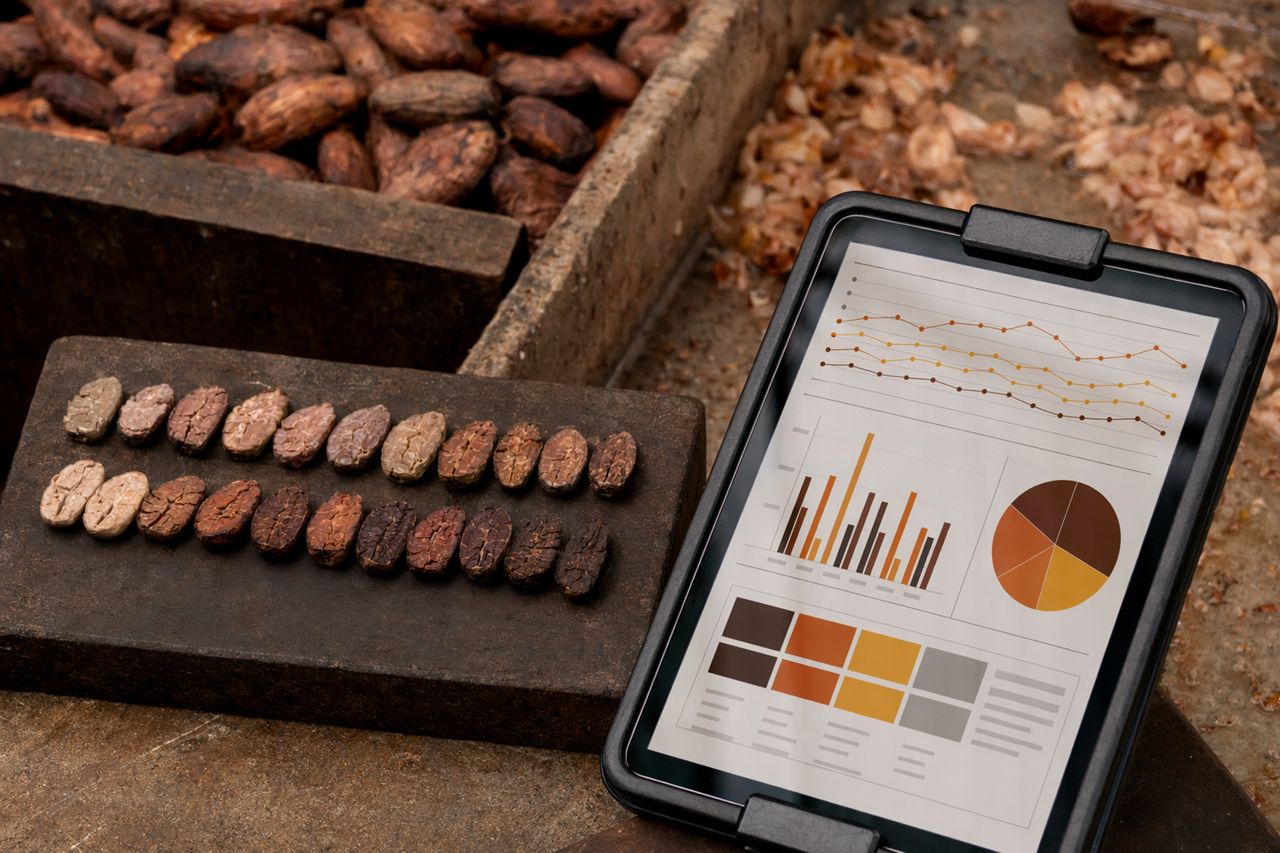
Cocoa pulp is not just a sugary coating. It controls early microbial activity, airflow restriction, liquor movement, mass compaction, and the way temperature and pH curves develop across the box. When pulp breakdown is uneven, fermentation teams see the same problems repeatedly: wet pockets, slow drainage, inconsistent cut-test color, variable acidity, and beans that do not respond the same way from lot to lot.
Our enzyme approach is built for processors who want the mass to behave more predictably, and for distributors who supply them.
Wholesale and bulk supply, by quote. Tell us the product or problem, the quantity you expect to need and the destination country. Pack format and quantities are quoted per order.
Enzymesbase supplies enzyme solutions selected for cocoa mucilage management. The goal is not to erase fermentation character. The goal is to help the pulp phase transition more consistently so the fermentation mass can drain, heat, aerate, and develop flavor precursors under tighter control.
Typical operating objectives include:
High pulp load can look like yield potential at intake, but inside the box it can slow down the entire fermentation response. Excessive mucilage creates dense, oxygen-limited zones and uneven liquor movement. Some parts of the mass heat and acidify differently than others. Turning schedules become corrective instead of controlled.
For industrial cocoa processors, that inconsistency shows up as operational drag:
A targeted enzyme program gives your team another lever before variability becomes locked into the batch.
We work with cocoa processors that need a supplier who understands factory realities: incoming fruit variation, harvest peaks, box capacity, turning labor, liquor flow, and quality team sign-off. Our recommendations are built around the way your site already runs, not around a laboratory ideal.
Common integration points include:
For processors handling high-mucilage lots, enzyme treatment can support earlier pulp loosening and more predictable liquor movement before the mass becomes compacted.
Applied as part of a controlled loading or pre-mixing step, enzyme use can help establish a more uniform starting condition across the box.
When liquor retention is creating wet zones or uneven heat development, enzyme-supported pulp breakdown can improve the physical behavior of the fermentation mass.
For factories receiving beans from multiple farms, regions, or harvest windows, enzyme support can help narrow the operating gap between high-pulp and lower-pulp arrivals.
Enzymesbase is built for B2B decision-making. We help your team connect enzyme use to practical plant-floor outcomes, including:
We do not position enzymes as a shortcut around fermentation skill. We position them as a control tool for teams that already measure, turn, inspect, and adjust.
Every cocoa processing site has its own constraints: box design, bean depth, ambient conditions, harvest rhythm, water access, labor pattern, and target flavor profile. Enzymesbase evaluates those constraints before recommending an enzyme solution.
Our technical discussion can cover:
The result is a practical recommendation your operations and quality teams can actually test.
Enzymesbase is an enzyme supplier for cocoa processing with a vertical focus on the realities of cocoa fermentation and primary processing. That means our conversations start with cocoa mass behavior, not generic enzyme catalogs.
We understand that a fermentation manager does not need vague promises. You need a repeatable way to handle difficult pulp lots, protect throughput during peak intake, and give quality teams cleaner process data.
To recommend the right enzyme solution for cocoa pulp breakdown, we typically ask for:
If you do not have all details ready, that is fine. Share what you know and our team will help frame the next questions.
If pulp cling, slow drainage, or uneven fermentation mass behavior is limiting your process control, Enzymesbase can help you evaluate an enzyme program for your factory.
Use the on-site request form to tell us the product or problem, the quantity you expect to need, the destination country, and your cocoa process, batch conditions and quality targets. We supply manufacturers, processors and resellers, and will respond with a practical supply recommendation, a trial pathway and a quote.
Request a quote for enzyme-supported cocoa pulp breakdown.
Tell us your application and volume — we reply with pricing and lead time.
We have received your message. We will reply by email.